Что за функция hFE на мультиметре? Как пользоваться hFE?
hFE — можно считать как «коэффициент усиления», но на «китайских» мультиметрах он более/менее показывает правильно только для маломощных транзисторов (типа кт315, кт361), и начинает врать по степени «мощности» самого транзистора (от того-же к примеру кт815 и выше)
Пользоваться данным измерением легко и просто. Все биполярные транзисторы делятся на 3 типа:
- NPN
- PNP
- Брак и нерабочие (в утиль или мусорник)
Вставляете транзистор в соответствующие выводы соответствующего типа и смотрите на показания прибора. Если прибор показывает «0» — значит транзистор пробит и относится к третьему типу
PS. При проектировании/ремон тировании усилителей или иной какой-либо техники иногда нужно подбирать пары транзисторов с одинаковым КУ (коэффициентом усиления), даже не смотря на то, что прибор откровенно врет в показаниях мощных транзисторов, это не мешает делать подбор по показаниям прибора, но как показывает практика, для подбора таких пар нужно иметь с десяток и тех и иных транзисторов.
hFE на мультиметре — что это такое?

Приветствую. Транзисторы — важный компонент многих устройств, нет их разве что только в обычной лампочке. Это один из самых уязвимых элементов — часто выходят из строя из-за скачков напряжения.
hFE на мультиметре — что означает?
Коэффициент передачи тока, китайские модели отображают верные показатели только маломощных транзисторов. Некорректные значения отображаются по мере роста мощности транзистора.
Некоторые врут уже при тестировании транзисторов средней мощности. Один пользователь написал — неудивительно что врут: схема измерения проста — фиксированный ток базы, примерно 10мкА.
Данное гнездо например присутствует в модели UNI-T UT30C.
hFE помогает подобрать детали при ремонте техники (например усилителя).
Биполярные транзисторы делятся на три категории:
- NPN — состоит из трех слоев кремния, которые соединены по принципу Negative-Positive-Negative. Где термин Negative означает сплав кремния с избыточным количеством отрицательных переносчиков заряда (n-doped), а positive — с избытком положительных (p-doped). Данные транзисторы популярны на заводах, производстве, промышленности.
- PNP — используется так называемое перевернутое поведение — ток не блокируется при заземленной базе, но блокируется, если через нее проходит ток.
- Нерабочие — которые по показанию мультиметра непригодны к использованию и подлежат утилизации.
Проверить транзистор можно вставив в соответствующий разьем. Отображение на дисплее цифры 0 — сообщает о неисправности. Когда вам известен значение передачи тока — можете его сверить с значением h21 при использовании режима hFE.

Некоторые мультиметры проблемные — разьем hFE под испытуемый транзистор содержит плохие контакты, находятся глубоко, ножки часто к ним просто не достают. Решение — удлинить ножки, но лучше вывести контакты наружу.
Информация возможно будет полезна:

Заключение
- hFE на мультиметре — отображает коэффициент передачи тока транзистора.
Надеюсь информация помогла. Удачи.
What is HFE on a Multimeter?

HFE on a multimeter refers to measuring the “Hybrid parameter Forward current gain in transistors.” It indicates the amplification capabilities of the transistor and is helpful for component selection, troubleshooting, and circuit analysis. Multimeters provide a convenient way to measure HFE values accurately.
Multimeters are versatile electronic measurement tools professionals and hobbyists use to measure a range of electrical quantities. One such measurement that multimeters can perform is the HFE measurement.
In this article, we will explore the concept of HFE, its importance in the realm of multimeters, and how it is measured. Understanding HFE is essential for those working with transistors, as it provides valuable information about their amplification capabilities.
Table of Contents
What is HFE?
HFE, an abbreviation for “Hybrid parameter Forward current gain (commonly referred to as hFE),” is a crucial transistor metric.
Transistors are electronic components that amplify electrical signals, and HFE measures their amplification capabilities. It indicates the ratio of the output current to the input current when a transistor is used in a common-emitter configuration.
How is HFE Measured?
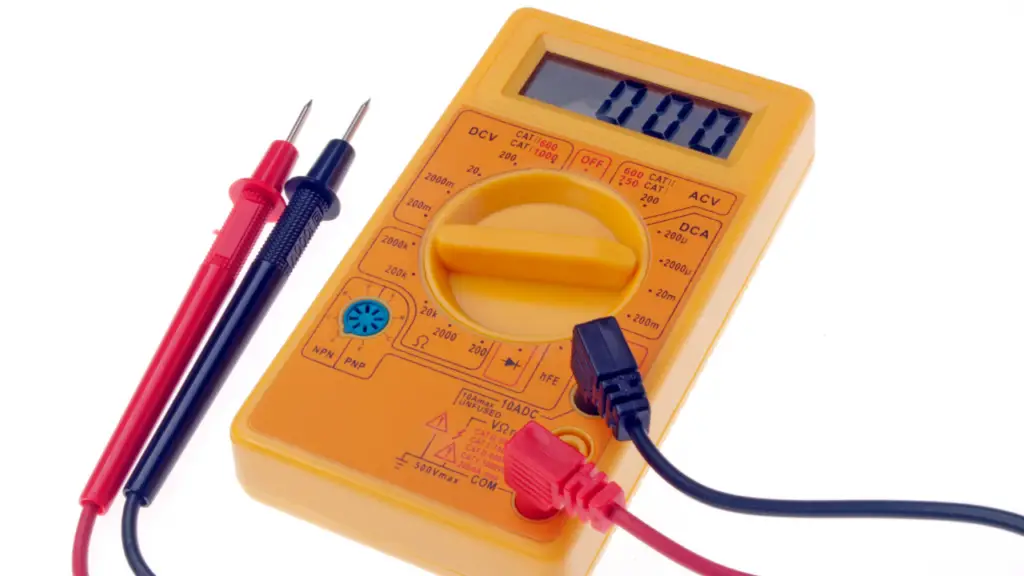
To measure HFE accurately, one can rely on a multimeter. Multimeters are equipped with various measurement modes, and some models specifically feature an HFE measurement mode.
In this mode, the multimeter sends a small current through the base and collector terminals of the transistor under test and measures the resulting output current. The multimeter calculates and displays the HFE value by comparing the input and output currents.
It’s important to note that the accuracy of the HFE calculation depends on the precision and calibration of the measuring equipment, as well as the stability of the circuit setup. Additionally, it’s recommended to perform multiple measurements and take an average to ensure more reliable results.
It’s worth mentioning that some multimeters have a dedicated HFE measurement mode that simplifies the process by automatically applying the base current and measuring the output current, providing the HFE value directly without manual calculations.
Conclusion
In conclusion, understanding HFE and its measurement in multimeters is crucial for anyone working with transistors or electronic circuits. HFE provides valuable information about the amplification capabilities of transistors, allowing professionals to make informed decisions regarding component selection, troubleshooting, and circuit optimization.
By utilizing the HFE measurement mode on a multimeter, one can accurately measure HFE values and gain insights into the performance and health of electronic devices.
Some related FAQs
How accurate are HFE measurements on a multimeter?
The accuracy of HFE measurements on a multimeter depends on the precision and calibration of the multimeter itself. Higher-quality multimeters provide more accurate measurements. It is also important to ensure proper circuit setup and take multiple measurements for better accuracy.
Can HFE readings indicate a faulty transistor?
Yes, HFE readings can sometimes indicate a faulty or damaged transistor. If the HFE value is excessively high or low, it may indicate a problem. However, it is necessary to consider other factors and perform additional tests to confirm the transistor’s condition.
Are HFE values constant for a specific transistor?
HFE values can vary between individual transistors, even of the same type and model. Factors such as temperature, biasing conditions, and manufacturing variations can influence the HFE value of a transistor.
Can HFE measurements be used for troubleshooting circuits?
Yes, HFE measurements can be useful for troubleshooting circuits. By comparing the HFE values of transistors within a circuit to their expected range, one can identify potential issues, such as faulty or mismatched components, and take appropriate measures to resolve them.
Can I use HFE measurements to select transistors for specific applications?
Yes, HFE measurements can assist in selecting transistors suitable for specific applications. One can choose transistors with HFE values within the desired range by considering the desired amplification requirements to ensure optimal circuit performance.
What is hFE on a Multimeter

hFE is a unit of measurement for determining the amount of current gain (or amplification) that a transistor can produce. In other words, hFE is the ratio between an input current and the resulting output current, and it can be used to help determine how suitable a particular transistor might be for a circuit or application.
The hFE on a multimeter is a ratio that measures the voltage increase or decrease between two points in other words ‘the hFE value on a multimeter indicates how much current the transistor can handle before it starts to heat up and break down.’ For instance: when there is one volt of input current at point A and one amp of input current at point B, the output voltage will be one amp multiplied by one volt multiplied by the hFE. If the value of hFE is 10, then there will be ten amps of output current.

hFE – The Definition
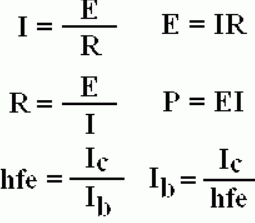
To break down this equation, we can see that Ic is ‘collector current’ and Ib is ‘base current.’ When these two terms are divided together, we get the current gain of the transistor, which is commonly referred to as hFE.
RELATED How to Use a Cen Tech Multimeter? (7 Function Guide)
What Does hFE Stand for?
hFE stands for “hybrid forward emitter.” It is also known as “forward beta” in some cases. The term comes from the fact that the ratio it represents is essentially a combination of two different measurements: specifically, the base current resistance and the emitter current resistance. The two are multiplied together to create what we know as hFE.
RELATED How to Tune a 4-Channel Amp? (3 Methods)
What is the hFE Test for?
The test measures the gain (or amplification factor) of a transistor. Gain is defined as the ratio of output signal over input signal. It is also frequently called “Beta” (β). A transistor acts as an amplifier by increasing the current or voltage at its output with respect to its input while at the same time maintaining a constant output impedance. To determine whether or not a transistor will function well in an application, it is necessary to check its gain and compare it with that required for that application. (1)

RELATED How to Test a Low Voltage Transformer (Easy Steps & Guide)
How is the hFE Calculated?
The hFE is calculated by comparing the base current and the collector current. These two currents are compared with the use of a transistor tester, which allows you to test the transistor in question. The transistor tester will hold the base current at a constant level and then measure the collector current that flows through it. Once you have both of these measurements, you can then calculate the hFE.
There are some important caveats to this method of testing your transistors, though. For example, you should be aware that if you’re measuring a group of transistors together, then they will interfere with each other’s readings. This means that if you want an accurate measurement of your transistors’ hFE values, then it’s best to test them one at a time. While this might slow down your testing process, it will also ensure that your results are accurate.
References
(1) Beta – https://economictimes.indiatimes.com/definition/beta
Video References
At Tools Week, we’re passionate about equipping thousands of monthly visitors worldwide with the know-how to undertake home improvement & DIY projects confidently. Discover our story: More about us.
Related Posts
- How to Use a Cen Tech Multimeter? (7 Function Guide)
- How to Tune a 4-Channel Amp? (3 Methods)
- How to Test a Low Voltage Transformer (Easy Steps & Guide)
- How to Tune a Car Amp for Mids and Highs (Guide With Photos )
ToolsWeek is your trusted source for expert-backed insights, reviews, and recommendations on tools and home improvement. Stay tuned for our weekly updates to help you easily tackle any project!