О «резиновых куклах» (resin)
«Resinовые» куклы или «куклы из resin». Что это за диковина?
Вопросы такого рода мы получаем не так и редко от наших друзей, читателей и покупателей. Настала пора попытаться разобраться в этом любопытном, на первый взгляд, материале. Любопытным он кажется, в действительности, только на первый взгляд, так как множество легенд, сказок и искренних заблуждений в отношении него связаны только (и исключительно!) с некорректным переводом английского названия на русский язык.
Действительно, когда мы произносим это слово на английском – «резин», воображение само подсказывает нечто упругое, мягкое, эластичное, растягивающееся и податливое. Избавиться от стереотипа трудно и вот уже воображение рисует нам куклу с мягкими, на ощупь, ручками, ножками и лицом. Одним словом, резинового пупса. И совершенно напрасно. Точный и правильный перевод слова «resin» означает «смола», причём применительно к технологии изготовления коллекционных кукол чаще слово «resin» используется, как обозначение сокращения «polyester resin» («полиэфирная смола») или, например, «epoxy resin» («эпоксидная смола»), то есть материалов, действительно используемых для изготовления коллекционных кукол. Итак, с переводом разобрались.
Продолжаем разговор о самих смолах. Их, несомненно, прекрасными качествами, благодаря которым они так широко распространены, являются отличная свето- и атмосферостойкость, высокая прочность, хорошая стойкость к истиранию и к органическим растворителям и многие другие. То есть все те качества, которые характерны, например, для кукольного фарфора. Химические формулы смол различны и, вероятно, малоинтересны читателям, так что их мы опустим. Важнее следующее общее качество смол – способность к отверждению. В природе, например, в результате процесса самоотверждения смолы рождается такой прекрасный камень, как янтарь, хотя называть его «камнем», как раз – не очень верно. Янтарь – это именно смола. Окаменевшая смола. В искусственных условиях отверждение смол осуществляют самыми различными способами – от использования, так называемых, «отвердителей» (специальных химических компонентов, смешиваемых в определённой пропорции со смолой), до фото- и радио- облучения, когда смола приобретает каменную твёрдость под воздействием направленного излучения. В производстве коллекционных кукол наибольшее распространение получили именно химически отверждаемые смолы (смолы с «отвердителем», они же — «бинарные смеси» или «двухкомпонентные смеси»). Причина – в простоте использования компонентов. Сам кукольный молд (литьевая форма) изготавливается любым известным, типовым, способом. После чего Вы смешиваете в определённой пропорции смолу с отвердителем. И смола, и отвердитель, не смешавшись друг с другом, могут сохраняться жидкими очень-очень долго. Смешавшись – в течение очень непродолжительного времени (от пяти минут до нескольких часов) превращаются в материал, по виду и свойствам больше похожий на фарфор или янтарь – твёрдый, прохладный, гладкий, очень гордый. Отверждённые смолы достаточно легко обрабатываются шлифовкой и полированием. Окрашиваются они сложнее (адгезия поверхности ниже, чем у винила или силикона, к примеру) – примерно так же, как фарфор. По способности переносить ударные нагрузки отверждённые смолы превосходят хрупкий фарфор – они более вязкие.
В целом, смолы – прекрасный материал для изготовления кукол. Особенно – новичками. Они недороги, они не требуют сложного производственного оборудования, они (застывшие) легко обрабатываясь, позволяют исправлять небольшие ошибки литья и формы. Вместе с очень достойным видом поверхности законченного изделия – смолы, по совокупности качеств, являются очень и очень перспективным материалом для изготовления коллекционных кукол. И их относительная дешевизна едва ли может служить причиной смотреть на эти куклы, как на дешёвку.
Мы стремились всегда и впредь будем стремимся оценивать коллекционную куклу не по стоимости материала, из которого она сделана, а по количеству труда, старанию и любви, вложенных автором в своё творение. А как раз для этого «RESIN/СМОЛА», как материал, дают Мастерам-кукольникам огромный простор, позволяя создавать всё новые и новые шедевры на радость истинным почитателям.
Resin
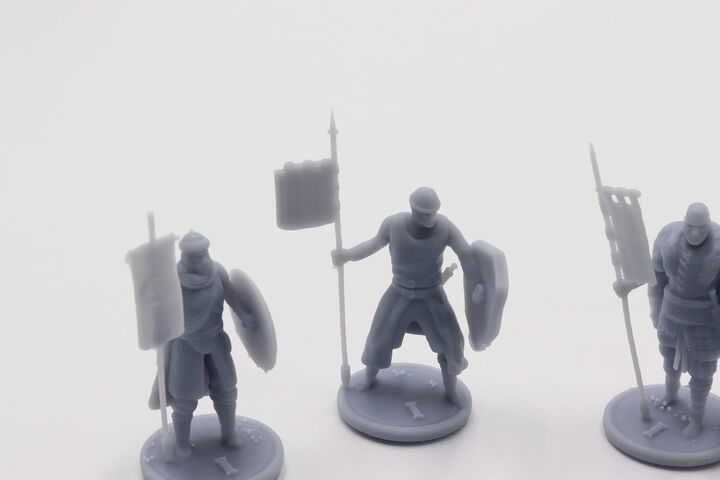

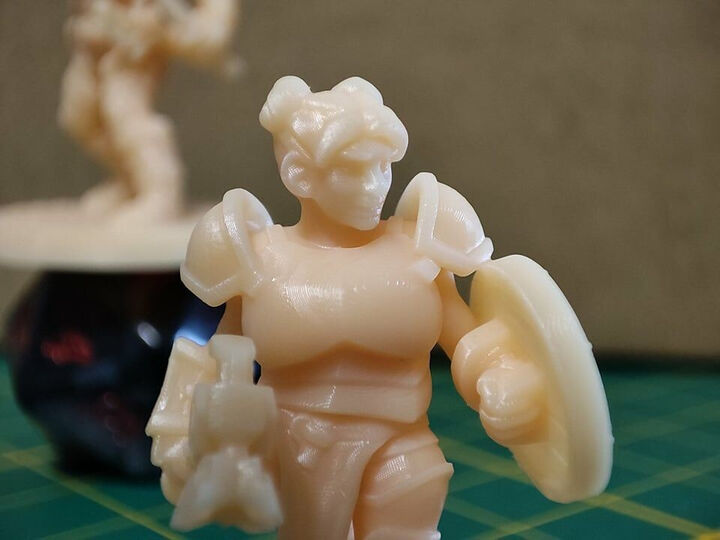
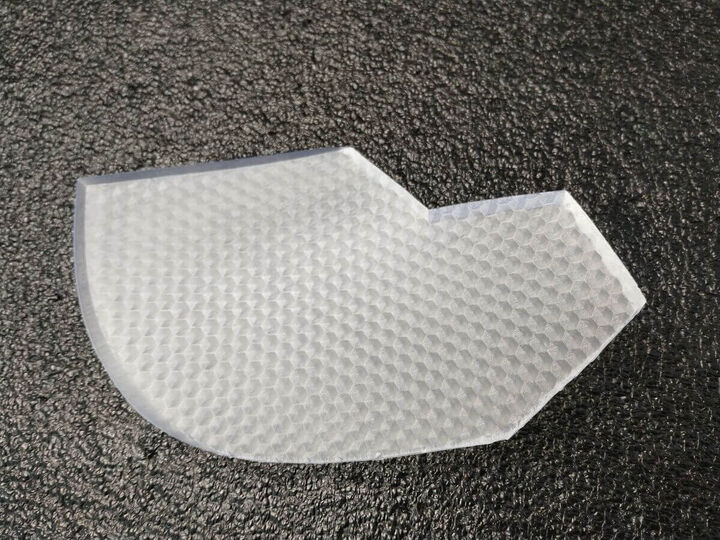
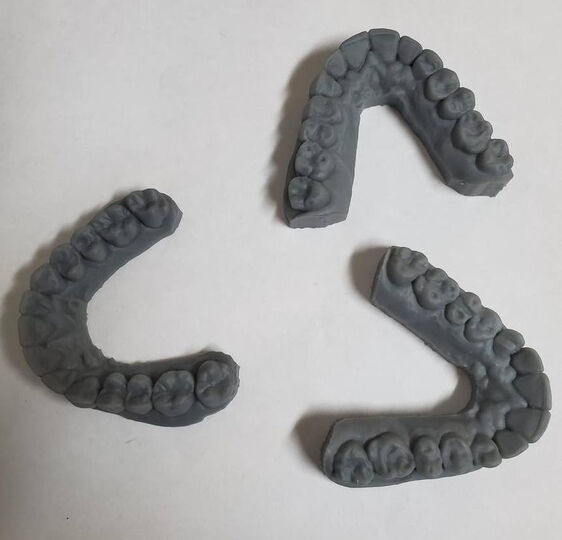
Resin material can include both solid and highly viscous materials, but commonly refers to liquids which harden based on heat, setting agents, or light. Typically, modified or synthetic resins are used for manufacturing – they can be produced from natural components with additives or consist of artificial polymers. It is also used for 3D printing.
The main use of resin is to be a glue — to transfer stress between the fibers, clasp them together and protect from outside factors. The first resins have been found in nature — in plants, bugs or trees — amber or shellac are some of the examples of natural resins. These natural resins are used in some products but usually, they are flammable and fusible, may appear soluble in liquids, which makes them not suitable for some applications.
Application DescriptionОтзывы

Healthcare
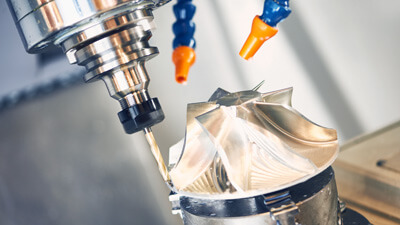
Aerospace
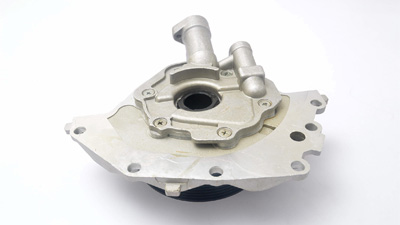
Engineering

Jewelry
Description
All resins have the ability to harden under certain conditions — by mixing with a setting agent, heated, or exposed to light. The latter method is used for resin 3D printing. Such materials are highly viscous liquids before solidifying. The range of synthetic resins is huge and includes resins created from thermoplastics like ABS, Nylon, and Polypropylene. Some of these are referred to as resins only in their liquid form – after curing, they are simply called plastics or elastomers. Some resins after hardening can’t be melted or re-used. Different types of resins exist depending on their chemical compounds which define its properties: silicones, epoxies, acrylics, alkyds, and more.
What is resin material made of?
There is a huge variety of different resin materials, both natural and synthetic. Resins consist of long chains of monomers, which form cross-link bonds during the curing process.
What are the different types of resin?
Typically resins are divided into thermosets and thermoplastics based on whether or not the hardening reaction can be reversed. Widely used thermoplastic resins include ABS, polyethylene, polystyrene, and polycarbonate. Most common thermoset resins are polyester, vinyl ester, epoxy, and polyurethane.
Thermoplastic resins are basically the ones that can be melted and then hardened once cooled. Within the molecule chain of such resins, there are extremely strong bonds between molecules. Thermosets, on the contrary, undergo a non-reversible reaction resulting in a hard end product. It is determined by the process called polymerization or cross-linking which takes place in such materials caused by the use of a catalyst, heat or a combination of the two.
How is resin produced?
Production of artificial resins starts from a so-called cracking process, which means that different types of hydrocarbons are heated up to separate molecules. Then polymer compounds are built in order to create a specific resin.
Resin material properties
Properties can be improved to certain levels depending on the resin’s composition. But we included several quite popular resins into a list to demonstrate how different can these materials be once hardened.
| Resin | Properties | Max.Temperature (º C) |
|---|---|---|
| ABS | Glossy finishing, good shock resistance. | 100 |
| Epoxy | Great physical and chemical properties. Easy to cast with. | 200 |
| Nylon | Great wear resistance. | 140 |
| Polycarbonate (PC) | Transparent. Withstands acid and shock. | 130 |
| Polypropylene (PP) | Great mechanical strength | 140 |
3D printing with Resin
In 3D printing, resins are a family of photopolymers that consist of a photoinitiator and different monomers. These materials react under UV-light, daylight or laser beam energy that changes their state from a liquid to a solid structure. 3D printers direct light sources to certain areas that need to be solidified and create a part, layer-by-layer, or in the case of MJP technology, resin drops are applied all together and cured after each layer.
Resin Casting
Resins are used in casting for low-volume production, props, in the medical industry, and more. It requires molds, which are filled with liquid resin and hardens inside polymerizing. Some resins are easy to use and compatible with silicone or DIY molds, so even hobbyists can use them without special tooling to produce parts. The liquid nature of resin material also allows mixing it with additives for improving its properties and easier removal of molds.
Resin casting guide
Resin casting is a manufacturing method widely used for low volume production by professionals and hobbyists. The general idea is to fill in a mold with a liquid resin, leave it until the material hardens and then release a product from its mold.
Commonly flexible molds are used, which can be made from latex or silicone rubber, to make releasing the cast easier. Such molds can be used multiple times depending on their condition but they tend to have their own limits that don’t allow to use resins casting for big batches. Some simple molds for one-time use can also be made from available materials like plastic folders, wood pieces and more.
Check out Silicone for Mold Making on Affiliate
For mechanical and automotive parts, when all the details should be transferred to the casted part perfectly, special resin grades and mold materials are used to cut down shrinkage and inaccuracy.
- Typically resin casting procedure starts from making a master model. It can be hand carved, CNC milled, 3D printed, sculpted or manufactured in any other way. The material of the master model should be sturdy enough to allow making a precise mold, so popular choices include rigid plastics such as polyurethane, epoxy, polyester, ABS, Nylon or Delrin. Stretchy or fragile materials would deliver a poor surface of the piece and imprecise details.
- The next step would be creating a negative mold with an imprint of the master model. Many makers prefer silicone rubbers for molds due to them providing an easy working process, good accuracy and mechanical properties, non-sticky surface for casting and little to no shrinkage. The mold itself should be made so that the resin would easily fill in the imprint of a master model without gaps or extras. Therefore, sometimes the mold is made in two or more pieces to allow resin spreading inside evenly.
- After a mold is prepared, it comes to the actual resin mixing and pouring. Here the process varies based on the type of the resin used for casting.
- After pouring the material some additional work (like vacuum chamber, heat treatment) may be required to remove the air bubbles and help resin cure well.
- If all steps were processed correctly, the final product would be a nearly identical copy of the master model made from resin.
CNC Machining Resins
Resins aren’t commonly used in CNC machining since they require a solid material to work with. Hardened resins like ABS, epoxy, Nylons and others can be machined as they are already plastics. However, on the market, there are some rare CNC machines that can combine paste extrusion of resins with milling operations. Resins, in this case, are typically used as a coating for other materials and they can be placed and then machined with the same CNC machine in one go.
What is resin used for?
Resins have numerous applications starting from jewelry making to manufacturing parts for sports cars. Different resins can be used by themselves as a base or as a gluing agent for materials like carbon fiber, fiberglass and more.
Resin construction material
Resins are widely used in building as adhesives, coatings or as a construction material when a strong bond is required. For example, for laminated wood construction. Resins are also popular in the decoration of self-leveling floors and architectural surfaces enabling to use of recycled materials.
Common Uses
- Adhesives, paints and coatings
- Decoration
- Electronic components and replacements for metal parts
- Gears, pipes and tubes
- Intricate models and parts
- Jewelry
- Medical devices
- Consumer goods
- Boat, car and parts repairing
Advantages:
- Precision
- Large variety of resins with different properties
- A wide range of applications
- Can be food-safe
- Can be easily colored, dyed, mixed with metal powders or fluorescent pigments
- Easy to work with
- Hardened resins can be machined
Disadvantages:
- Some resins are toxic
- Fast polymerization reaction requires being quick
- Requires special storing (some resins are sensitive to moisture, temperature and light)
- Casting Resins need components accuracy
- Low volume casting may require much handwork, which makes its net cost high
What is Resin Made of – Epoxy Resin Compared to Polyester Resin
This post may contain affiliate links. We may earn a small commission from purchases made through them, at no additional cost to you. You help to support resin-expert.com The word “resin” refers to a broad range of both naturally occurring and manufactured compounds. For the purposes of this discussion, we will be focusing on the types of highly versatile plastic-like substances commonly known as epoxy and polyester resins. Epoxy resin is typically packaged as two separate compounds – a resin and a hardener – that must be mixed to initiate the setting process and produce what will become a solid plastic-like substance. Polyester resins are sold as a single substance that hardens with the application of either a chemical catalyst or under UV light. To help you identify whether your project requires resin, and which type to use, we have provided a brief overview of what resin is, and what its applications are.
- Resin at a Glance
- Types of Resin
- Using Resin
- Manufacturers vs. Formulators
- Frequently Asked Questions
Resin at a Glance
So, what is resin? Natural resins are substances secreted by plants to create a protective barrier following injury. Likewise, synthetic resins are used to produce highly effective coatings, structural adhesives, and composites. Resins therefore come in a wide variety, ranging from thinly layered coating resins to liquid casting resins for producing completely solid plastic-like components. In industry, resins are widely used for a very broad range of applications. For DIYers and crafters, resins provide not only coating and adhesive possibilities, but also enable the production of entirely new and customized pieces.
Types of Resin
In a DIY or craft setting you will have to the choice of using either an epoxy or a polyester resin. These resin types differ not only in the process by which they harden, but also in their protective, adhesive, and structural properties.
So, what is the difference between epoxy and polyester resin? The main difference lies in how they cure. Epoxy requires a special hardener while polyester uses a catalyst for the chemical reaction that speeds up its curing process. Epoxy will only start to cure once the hardener has been mixed in. With polyester resin, the manufacturer has already combined the resin with a hardener, but at a ratio where although the curing process is already underway, it is at an extremely slow rate. Hardening this resin therefore requires a catalyst, which can be either a chemical or the application of UV light. This is also why polyester resin has an expiration date.

In terms of properties, polyester resin bonds to a roughened surface at a proximate level. In other words, polyester adheres to a surface because the strong internal structure of the cured resin is close enough to a textured surface to be able to cling to it (a bit like creating microscopic jigsaw pieces). Epoxy works like this as well, but in addition, it also forms ionic bonds with other materials at an atomic level. Epoxy is therefore the far stronger of the two resin types. However, there are circumstances where polyester is preferable to epoxy. We will discuss each of these resin types below.
Epoxy Resin
Epoxy resin is a special substance with particularly strong properties. This resin is known for its chemical resistance and its excellent adhesive qualities. If you need a very durable resin product, then epoxy is the best option to consider. Due to its strong finish and good adhesion qualities, this resin is ideal for a wide range of applications.
Benefits of Epoxy Resin
Epoxy resin is used in sealants, varnishes, casting and caulking compounds, paints, and all sorts of other industrial applications. Epoxy does not shrink when curing, making it an ideal casting resin and gap-filling substance. It is also resistant to moisture and chemicals, has electrical insulating properties, and is very impact resistant. For large items and added strength it can also be reinforced with fibers and other structural enhancements.
In addition to its superior adhesive properties, epoxy resin has a high weight to strength ratio which makes it an excellent option for resin casting projects. This characteristic, combined with its ability to bond to other materials, also makes it very useful for filling gaps as it can generally be sanded and shaped after curing.
Drawbacks of Epoxy Resin
Epoxy resin is not UV resistant. This is a particular problem in epoxy paint which will yellow and start to resemble chalk after too much sun exposure. While epoxy is water resistant and will set in water, some types of epoxy resin is porous, meaning that it is not waterproof.
Epoxy coatings cannot receive a gelcoat, and although an epoxy coating will adhere to a polyester resin surface, the inverse is not the case. Epoxy only cures gradually, so full strength can take a while to achieve.
Polyester Resin
While epoxy is formed when a resin is mixed with a hardener, polyester resin is the result of a chemical reaction that occurs when dibasic organic acids are mixed with polyhydric alcohols. The result is a strong plastic substance with similarities to epoxy, but also some significant differences. Since the chemical reaction that produces polyester resin requires a catalyst, the speed at which the reaction occurs can be controlled and this resin can cure very quickly. Unlike epoxy, polyester is not weakened by exposure to UV, so ultraviolet curing can be applied to polyester resin, eliminating the need for measuring and mixing catalytic chemicals.
Benefits of Polyester Resin
Polyester resin has superior waterproofing properties. It is highly resistant to corrosion, rust, and acidic substances. It can also withstand very high heat. Polyester epoxy paints are therefore used as powder coatings in white goods such as washing machines. It is also very useful in primers, particularly for marine applications and for coating surfaces exposed to harmful chemical and acids.
Unlike epoxy, polyester resin does not bond with another material at an atomic level. The adhesive quality of polyester resin is therefore inferior to epoxy. It does, however, have good wetting qualities, and low shrinkage, which means that it is used with great effect in conjunction with structural enhancements such as glass fibers to produce solid plastic shell structures.
Drawbacks of Polyester Resin
Polyester resin is not as strong as epoxy. So, you will need to decide if you require more waterproofing or more bonding and strength for your final project. It is also less effective as a gap filling resin than epoxy.
Unless you are using UV cured polyester resin, it is essential that the catalytic agent is applied with precision. If too much is used, then you risk charring the material which can leave you with a brittle or rubbery substance. The chemicals used to make polyester resin are highly toxic, so you must wear proper protection when working with it. In addition, some polyester resins require both a catalyst and the application of heat to cure, so working with it can be dangerous.
While UV cured resin does eliminate this problem, the penetration of the UV light into the substance is limited, so you can only apply UV cured resin one thin layer at a time. It is therefore not an option if you need a casting resin. It is, however, very useful if you are applying a protective layer on a small delicate object, as polyester resins are less likely to yellow over time than epoxy coatings.
Because polyester resins are more likely to be shipped in a pre-mixed or ‘promoted’ form where curing is already underway, this resin cannot be stored indefinitely and must be used within the manufacturer’s stipulated timeframe. So be sure to buy only as much as you will need for a specific project at a time.
Epoxy Resin vs. Polyester Resin
For easy reference purposes, we have provided a brief comparison of epoxy and polyester resins below:
| Properties | Epoxy Resin | Polyester Resin |
| Strength | Very strong | Quite strong, but weaker than epoxy |
| Durability | Highly durable, and chemical resistant but will degrade under UV light | Highly durable and rust, corrosion, chemical, and UV resistant |
| Waterproof | Water resistant, but not all epoxies are waterproof | Waterproof. Ideal for marine applications |
| Adhesion | Excellent. Bonds at an atomic level | Good on a well-prepared surface. Bonds at a proximate level |
| Toxicity | Can cause skin irritation with repeated exposure | Can be very toxic. Safety gear required |
| Curing time | Cures slowly | Cures quickly, but can be determined by the amount of catalyst used |
| Ease of use | Requires correct measuring, but not too difficult to use | Can be tricky to use |
Using Resin
Some types of resin are very easy to use and require minimal preparation and caution. Others are more complicated and potentially harmful if the right processes are not followed. Below is a brief overview of the main types of resins you can expect to encounter, and what to keep in mind when using them.
Manufacturers vs. Formulators
When buying any type of resin, it is important to know that manufacturers of resins sell their products predominantly to large industrial clients. The adhesives, coatings, and other forms of resin available to the average consumer are sold by not by the primary manufacturers of resins, but by companies that use these resins to create their own unique formulations. Each company (or formulator) adds different substances to modify the resins they use for reasons ranging from enhancing cost-effectiveness to convenience. As a result, not all resin products of the same type will perform equally. So, before you buy, make sure that the brand you choose is the one best suited to your specific needs.
Epoxy Adhesives
Epoxy adhesives come in various forms ranging from very liquid to putty-like substances. Any type will require mixing of resin with hardener. If you are not habitually precise, you will benefit from choosing a product that makes mixing easy, such as an epoxy with a mixing ratio of 1:1 or one that comes in packaging designed to release the same amount (like two joined syringes). Remember, if you use too much hardener, your bond will be weak, if you use too much resin, your bond may never fully cure. Always ensure that the surface you want to glue is clean of any other substances. Key all bonding surfaces by sanding them to create some texture.
Epoxy hardeners can be toxic, while epoxy resins are classed as irritants, so it is best to avoid getting too much epoxy adhesive on your skin. Putty-like epoxy adhesives are designed to be manipulated while uncured, so keep in mind that while immediate toxicity is unlikely, prolonged contact can result in allergic dermatitis. If you use putty epoxy frequently, wear gloves. Also, do not sand or drill into epoxy before it has completely cured as this dust can be toxic if inhaled.
Polyester Adhesive
While epoxy is the superior resin type for adhesion, the convenience of UV cured resin means that there is a good polyester adhesive option. By applying thin layers of resin, and then curing them under a UV light an object can be repaired without having to go the messy route of mixing and applying an epoxy adhesive. Remember, that since the resin used for this type of glue is a premixed polyester, it is already in the process of curing. This means that the liquid component in a UV adhesive kit will eventually cure in the tube unless you use it before its expiration date.
Epoxy Coatings
If you need a very strong and hardwearing coating, then an epoxy-based varnish or sealant is ideal. However, keep in mind that while epoxy is water resistant, some types are sufficiently porous to not be entirely waterproof. Therefore, in a marine setting, epoxy coatings are better used inside the boat. Epoxy that is exposed to high levels of UV may also degrade over time, resulting in it taking on a chalky appearance.
As with adhesives, ensure that all surfaces to be coated are clean, free from rust, paint, or oils, and have been lightly sanded to promote adhesion. Depending on the formula used, the toxicity of epoxy coatings can vary, so take the precautions suggested on the packaging.
Epoxy does have a longer curing time than polyester. While you will ultimately end up with a very strong and durable surface, you may need to wait a while before the coating reaches its toughened state. So do not apply an epoxy coating to an item if you need to use it immediately.
You can use epoxy resin as a medium for pigment in art and craft, but remember that epoxy will eventually yellow slightly, which may affect the color over time. This factor may be outweighed by the fact that it is far easier and less toxic to use epoxy resin in art and craft than polyester resin.
Polyester Coatings
If you want a coating that is waterproof, rust, corrosion, and heat resistant, then a polyester resin coating is ideal. Polyester resin makes for an ideal primer or undercoat and receives a gelcoat very well. Epoxy will also adhere to polyester, so if you need a waterproof surface that is also very strong, then you can undercoat with polyester and finish with epoxy. Just remember, that this surface should not have direct sun exposure, or the UV in sunlight will degrade the epoxy.
As polyester resin does not bond as easily as epoxy, optimum surface preparation is essential. Also, polystyrene resin is quite toxic and emits very strong odors, so work in a well-ventilated area and wear protective clothing. One major benefit is that polyester sets very quickly, so you will not have an extended drying time.
Casting Resins
When casting resin preparation is key. Make sure that you work in a well-ventilated space, especially when working with polyester resin. Lay down a drop cloth or some paper to protect any surfaces and set out gloves, goggles, and a respirator if your resin has a hardener, catalyst, or initiating agent with a strong odor. If your resin requires heat to mix or set, ensure that all flammable items are kept clear of your work area.
When preparing your molds, ensure that they are sufficiently supported so they will not tip or leak when the resin is poured. Also, unless you’re using silicone molds, always use a release agent to line your mold as both epoxy and polyester resin have strong bonding properties.
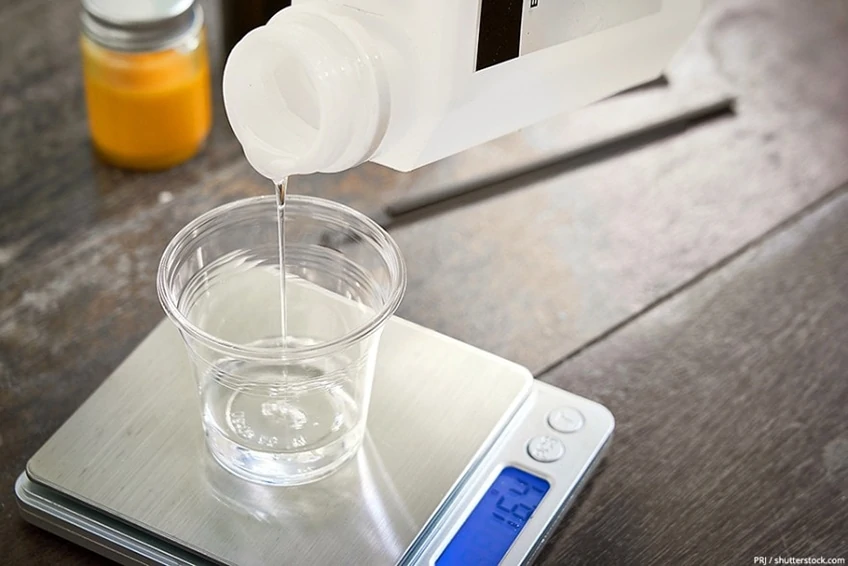
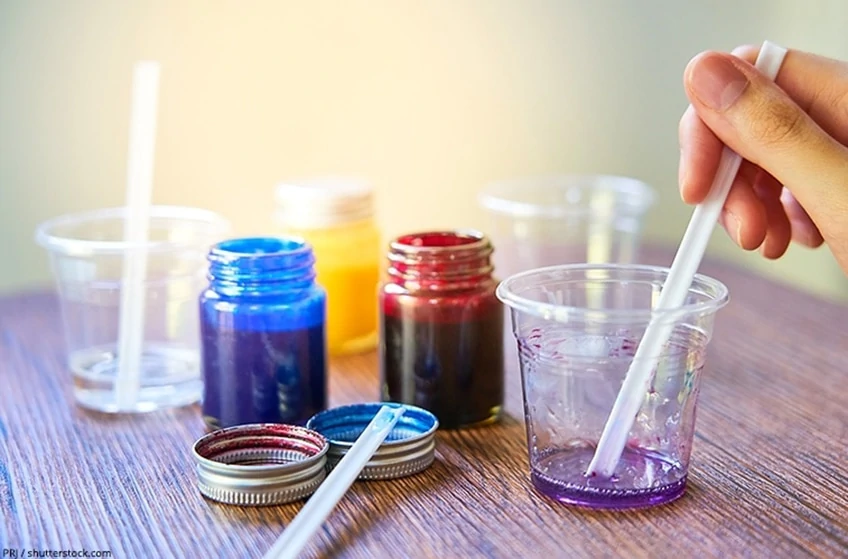
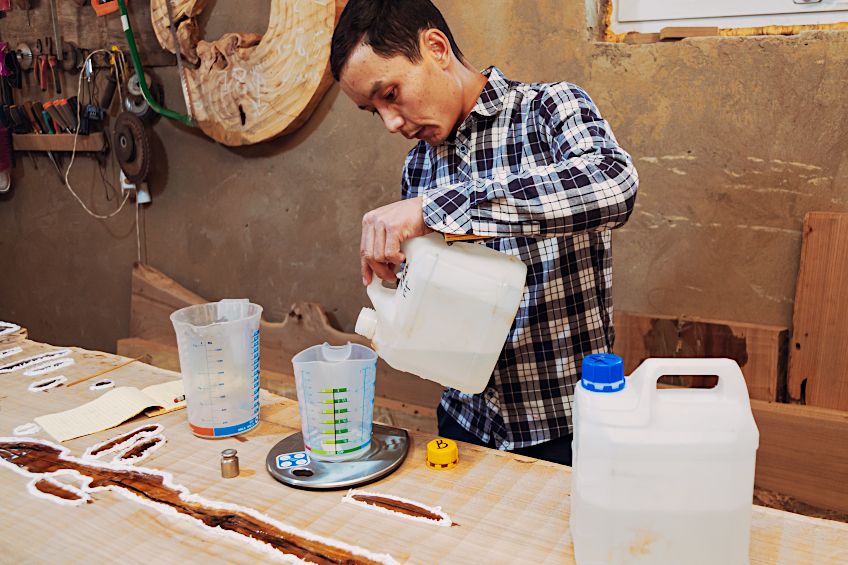
When mixing your resins, you will need measuring cups or scales to ensure that you use exactly the correct amounts of each substance. Incorrect ratios will adversely affect your outcome. Always read the instructions as the mixing process can differ from one brand to another.
Remember, while UV cured resin is very convenient and safer to use than other resins, it is not well suited as a casting resin, since UV light cannot penetrate deep enough into your object to cure the resin completely.
Fiberglass
For larger objects, reinforcing elements such as glass fibers can be used. You will use a similar process as when casting resin, except you will need to introduce the fibers once you have created a smooth outer layer, so you will not cast everything at once, but apply your resin in layers. If you choose to use fiberglass it is essential that you protect yourself, as these miniscule glass fibers are both fine enough to inhale, and sharp enough to cause lasting damage to your lungs, airways, and eyes. One benefit of using reinforcing elements is that you can create something quite large that is also strong and durable.
When choosing your resin, use epoxy if you need your object to have more flexibility, but opt for Polyester if you need a stiffer structure.
So, if you were looking for answers to the questions “what is resin?” and “what is resin used for?”, this guide above should have covered everything you needed to know. Resin is a highly useful substance that can be applied to all kinds of applications. For anyone interested in DIY, arts, and crafts, knowing how to use resin can be incredibly useful.
Frequently Asked Questions
What is Resin Used for?
Resin is a versatile substance that can be used for a multitude of purposes. It is commonly used for making durable castings, arts and crafts, flooring, countertops, and more. Resin can be used to make plastics, and it is an excellent adhesive.
Is Resin a Plastic?
Resin is different from plastic in that plastics have a more synthetic polymer makeup. Some epoxy resins are partially derived from plants. So no, technically, resin is not a plastic. However, there are special plastic resin products available.
Is Resin Made of Plastic?
No, they are different compounds altogether. What’s resin made from then? Resins have plant or synthetic origins that are convertible into polymers. Resin is not made from plastic, even though they share many similar qualities in terms of appearance.
How Strong is Resin?
Different types of resin are available with varying degrees of durability. Epoxy resin is the strongest resin, and it has been designed to withstand all kinds of intense mechanical pressures. This makes epoxy resin suitable for a wide variety of purposes.
Is Resin Harder Than Wood?
While this depends on the type of resin and the type of wood, resin is generally regarded as the stronger substance. Resin is often used as a protective coating over wood, and it can be used to bond two pieces of wood together with great strength.
Is Resin Stronger Than ABS?
What is a resin’s strength compared to ABS? Resin produces a greater level of tensile strength and elasticity when compared to ABS. This makes it a great product for durable and shatter-resistant purposes.
What Is Resin? – What Is Resin Made of and How Can You Use It?
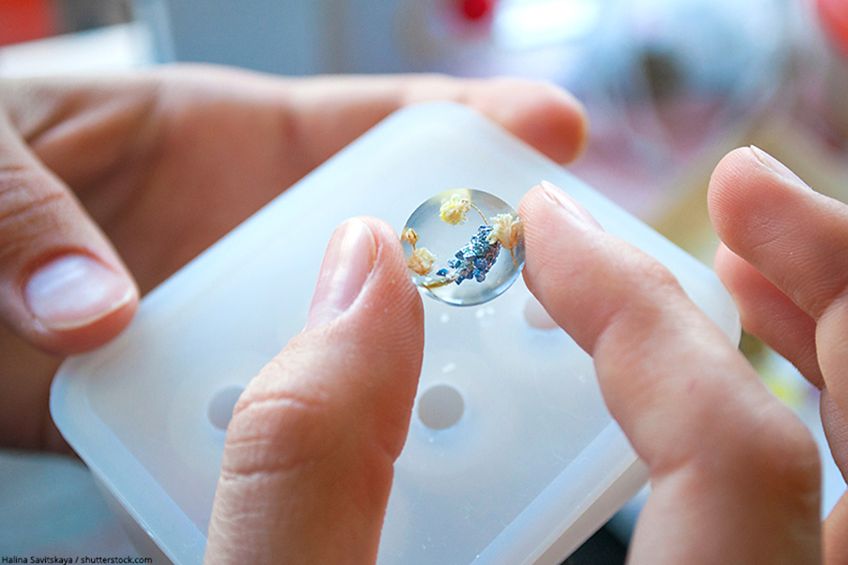
Resin has become something of a staple in the crafting community as of late, and as a result, there are many budding artists trying to figure out exactly what resin is and how to use it. Resin has actually been around for a really long time, but thanks to the advent of modern technology, resin has become relatively inexpensive and accessible to the general public. This substance is used in pretty much every industry all over the world, so let’s have a look at exactly what it is and how you can go about using it not only for creative applications but to repair and improve things in your everyday life.
Table of Contents
- 1 What Is Resin?
- 2 EBook Recommendation for working with Resin
- 3 What Is Resin Made Of?
- 4 What Are the Pros and Cons of Epoxy Resin?
- 4.1 Advantages (Pros)
- 4.2 Disadvantages (Cons)
- 5.1 Surface Coatings
- 5.2 Resin Jewelry
- 5.3 Novelty Accessories
- 5.4 Artwork
- 5.5 Household Items
- 6.1 Polyester Resin
- 6.2 Acrylic Resin
- 6.3 Polyurethane Resin
- 6.4 Alkyd Resin
- 6.5 Polyamide Resin
- 6.6 Polycarbonate Resin
- 6.7 Polyethylene Resin
- 6.8 Phenolic Resin
- 6.9 Polypropylene Resin
- 6.10 Epoxy Resin
- 6.11 Polystyrene Resin
- 6.12 Silicone Resin
- 7.1 Where Does Resin Come From?
- 7.2 What Material Is Resin?
- 7.3 Is Resin Stronger Than Wood?
What Is Resin?
What is resin? Put simply, resin is a thermoplastic that happens to be extremely resilient and versatile. However, before we get into the specifics let’s have a look at how resin came to be and why it was invented in the first place. Resin came to be in the late 1930s when scientists were experimenting with both naturally occurring resins like those found in the bark of trees and purely synthetic resin variants.
These resins were some of the earliest ever discovered and did not closely resemble the store-bought resin that we know today. Epoxy resin in particular skyrocketed in popularity around the early 1940s, as the formula was patented and was used in applications like dental prosthetics, industrial-grade adhesives, and even crude forms of resin casting as time went on.

During the late 1940s epoxy resin and its subsequent applications were becoming pretty well known both in the scientific community and among artists, both of which use epoxy to push the boundaries limits of their respective crafts to new heights. It was around this time that new compositions of epoxy were being developed for various other applications too.
How does resin work though? Well, generally speaking (as there is more than one type of resin) resin consists of a resin polymer that when combined with a catalyst (or hardener) undergoes a thermic reaction which causes the resin to solidify into a form of your choice by use of a mold.
This means that what you’re capable of making with resin is limited only by your imagination and ambition.
EBook Recommendation for working with Resin
If you would like to start working with resin, we recommend the eBook “Epoxy Resin Arts and Crafts for Beginners” from the resin artists at acrylgiessen.com.
Epoxy Resin Arts and Crafts for Beginners
Your Go-To Guide for start working with Epoxy Resin. Learn creating fascinating Resin Arts and Crafts within minutes. All the tips and tricks that nobody tells you when you start. Including several detailed tutorials for your first projects.

What Is Resin Made Of?
What is resin made of? Well, if your only exposure to the world of chemical engineering is through television or high school chemistry class, you can rest assured that you’ll still be able to understand this perfectly. Epoxy resin specifically, is created when acidic hydroxy groups interact with a substance called epichlorohydrin.
When these two chemicals interact with one another the resulting epoxy is known as glycidyl-based epoxy resins. There are other types of epoxy resins that can be made by adding different substances to base chemicals to form a ploy (or resin) with specific characteristics. These characteristics can then be alerted or improved for certain industries and applications.
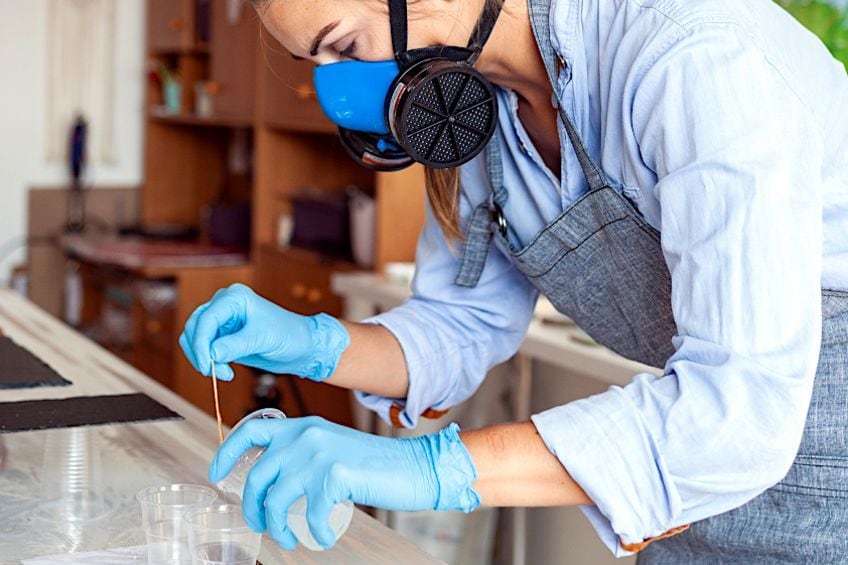
Conventional epoxy resin, the kind that you would buy at crafting stores has some inherent qualities regardless of brand and or price. Some of these qualities include being completely food safe once they have had a chance to cure completely, being highly resistant to the effects of heat and open flames, and of course the ability to absorb impact and abrasion while insulating a surface.
How is resin made exactly though? Well, tree resin is a simple chemical reaction that takes place when a tree is injured. The plant will secrete the transparent substance which seals the orifice created by the wound. Synthetic resin on the other hand is a bit more complicated to make, well at least to us humans who can’t secrete resin. Synthetic resin is made when hydrogen, oxygen, sulfur, and carbon atoms are combined with a chemical catalyst to produce the resin we use today. How is resin made, then?
Resin can be made either via a scientific process or when a tree gets hurt and needs to cover the wound.
What Are the Pros and Cons of Epoxy Resin?
While there are loads of people that use epoxy resin across the world, it isn’t a cure-all substance that solves every problem. In fact, there are quite a few negative characteristics that epoxy resin and other resin types exhibit that might make you think twice before using it for your next workpiece. This being said, let’s have a look at a few of the positive and negative characteristics of this substance before you decide to use some yourself.
Advantages (Pros)
In our opinion, the pros of resin typically outweigh the cons, but this does depend on the application. Resin is one of the most versatile substances on the face of the planet. It can be used to create entire forms from scratch, and these creations will often outlast those made from more conventional materials. Why? Polys (which is what resin is classified as) do not degrade or damage easily, which means they’ll likely outlast you in terms of longevity.
Synthetic resin that has been completely cured is also 100% food safe, which means that you can coat cutlery plates, and surfaces that are in regular contact with food using synthetic resin. The FDA (Food and drug administration) does have a specific formula that manufacturers need to follow for their resin products to be considered food safe though.
Synthetic resin is also extremely durable which is why it’s used to coat surfaces and create things like toys or detailed model figurines.
Resin has great shape retention, which is why it’s so sought after in applications where surfaces need to be protected from impact, abrasion, or traffic in highly trafficked areas. It’s also really cheap, which means you can accomplish a lot for relatively little monetary investment.
Resin is also resistant to other forces like extreme heat and/or exposure to open flames. This is why it is typically used to coat things like kitchen countertops and stovetop surfaces. Wooden surfaces can also be protected using resin, which is ideal if you enjoy wooden finishes but don’t want the headache of dealing with a constant fire hazard in your cooking space.

The obvious and arguably the most prominent advantage of using resin for crafting applications is that it is super easy to work with compared to conventional materials. All that you need to do is mix your resin and hardener together and apply it to the surface of your workpiece or pour it into the mold of your choice to create a resin casting.
- Robust nature
- Completely food-safe once cured
- Extremely resistant to impact and abrasion
- Extremely resistant to heat and open flames
- Relatively inexpensive
- Versatile
- Easy to use
Disadvantages (Cons)
As you can see there are loads of advantages to using resin for all of your crafting or surface protection needs, but there are also some notable advantages you should know before you go about slapping resin on everything in sight. For starters, once the resin has been allowed to cure it can be decidedly difficult to get rid of, and nine times out of ten you’ll find yourself getting out your power sander to free the surface of your workpiece from the grips of the resin.
As a second point, resin happens to contain a few substances which aren’t particularly good for the environment. These substances are known as volatile organic chemicals or VOCs for short, and besides being bad for the overall environment they can also cause some serious discomfort if they’re inhaled or ingested.
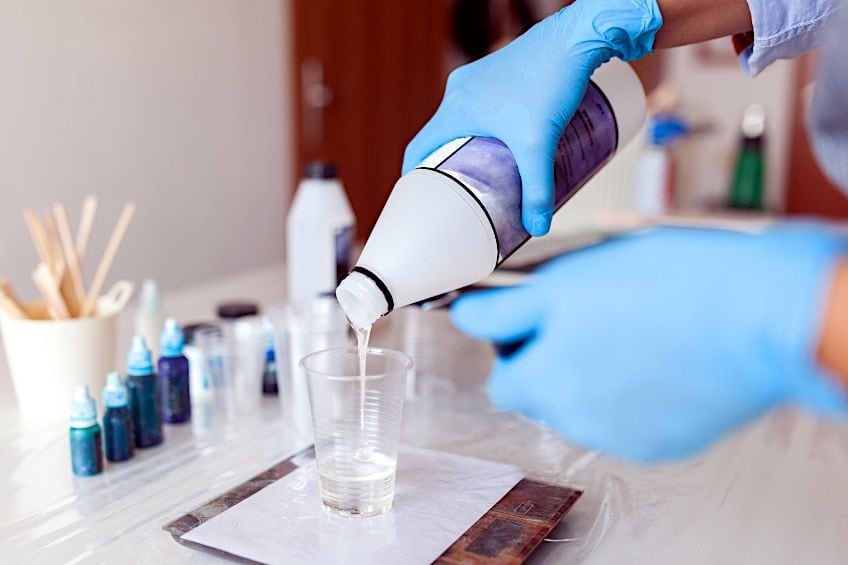
This being said, if you’re going to be working with them, especially indoors, you should always wear the appropriate personal protective gear.
Thirdly, besides being really bad for the environment and toxic to inhale, the fumes produced when resin and hardener are combined are extremely flammable. It goes without saying then that if you’re working with resin you should work in a well-ventilated area, or outdoors as often as possible. If you’re unable to work outdoors, try to establish a crossflow of air to dissipate any fumes that could accumulate. Also, don’t work around anything that could potentially ignite these fumes.
Lastly, the resin can be a bit messy to work with if you’re inexperienced. Remember that resin is inherently sticky and hard to remove, so spilling some means using solvents and sandpaper to get it loose if it’s had a chance to fully cure before you could clean it up. Additionally, if your resin has crystallized or you have mixed your resin incorrectly, it will not cure. This can make it a potentially tricky substance to work with.
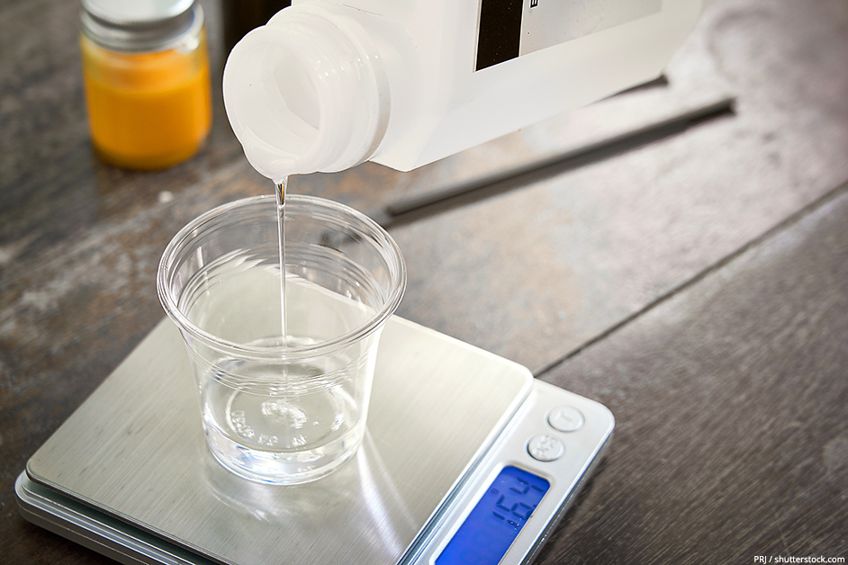
Another notably challenging thing about working with synthetic resin is that you can only use certain resins for certain applications. Arguably the best example of this is that you can’t use deep pour resin for surface pour applications, and you cannot use deep pour resin fur surface coating applications. This can be tricky for those who are new to the medium and can result in some frustrating mistakes.
- Challenging to remove once applied
- Contains volatile organic chemicals
- Produces highly flammable gasses
- Can be difficult to clean when spilled
- Certain resins can only be used for their intended applications
- Must be worked within a well-ventilated area
What Is Resin Used For?
What is resin used for, you ask? As we mentioned previously there are loads of things you can make with resin, it is used in nearly every industry all over the world for various applications. These days, resin is primarily used for crafting purposes and if you have a look at platforms like Instagram and Pinterest you’ll come across some pretty incredible stuff. This being said, let’s have a look at some of the common things resin is used for in our everyday lives.

Surface Coatings
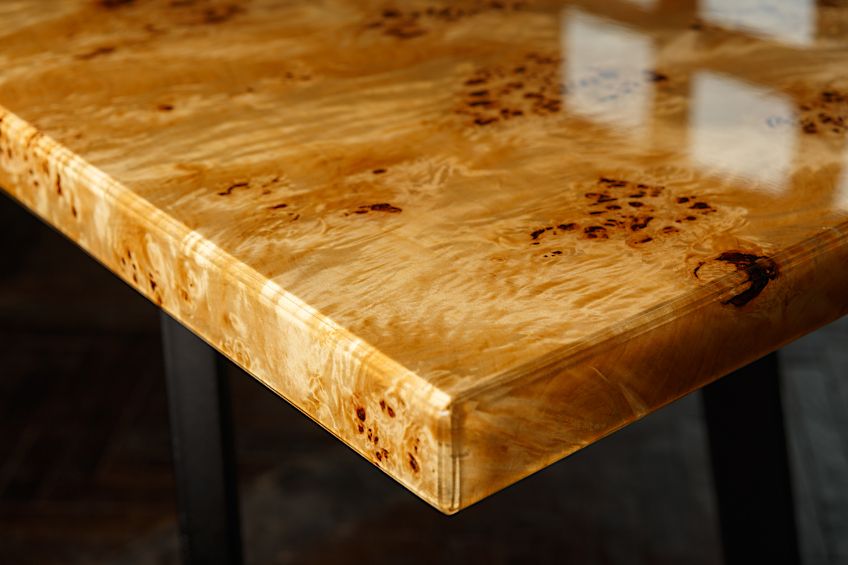
While crafting is definitely an art, it has a more practical application, so we think it deserves its own mention separate from traditional fine art pieces. `Coating wood crafts, especially furniture tops in resin, are extremely common in the woodworking industry. This provides a layer of protection to the workpiece against impact and abrasion, but this practice isn’t limited to wooden surfaces.
Stone surfaces like granite and marble are also commonly coated in resin to protect these rather expensive surfaces from everyday hazards.
Resin Jewelry
Resin jewelry has become really popular as an inexpensive and unrestricted way for you to create accessories for your everyday life. All that you need is a mold and some resin and before you know it you can have dozens of custom jewelry pieces for you to enjoy or to gift to your friends and family! You can add things like acrylic paint, dyes, glitter, and even food coloring to customize your resin jewelry. Anything is possible, bangles, chokers, bracelets, rings, and even tiaras can be made with resin.

Novelty Accessories
Novelty accessories are one of the best ways for you to create something amazing with resin that you can use in your everyday life. What do we mean by novelty accessories? Well, these can be anything from keychains, to pendants, to book covers, to smartphone covers, and even pen holders!
These can be used in your home or office, and you can personalize them with things like photos or quotes which end to make great gifts for friends and family.
Artwork
As we mentioned previously, art is something that’s made most commonly with resin, but the sheer variety of art you’re able to make with resin is astounding. A crowd favorite is resin cast figurines which can be painted and coated in near-infinite variations. Resin-coated paintings and even mixed media resin artwork are really common these days, with impressive displays of ingenuity and completely original thinking all around.

Household Items
There are loads of things that you can make with resin that you can use all over your home. Some of the most popular things to make using resin are coasters, cutting boards, serving trays, tabletops, lamps, picture frames, terrariums, bowls, and so much more.
The cool thing about making household items from resin is that you have the freedom to cater to the unique style and aesthetic of your home.
Are There Different Types of Resin?
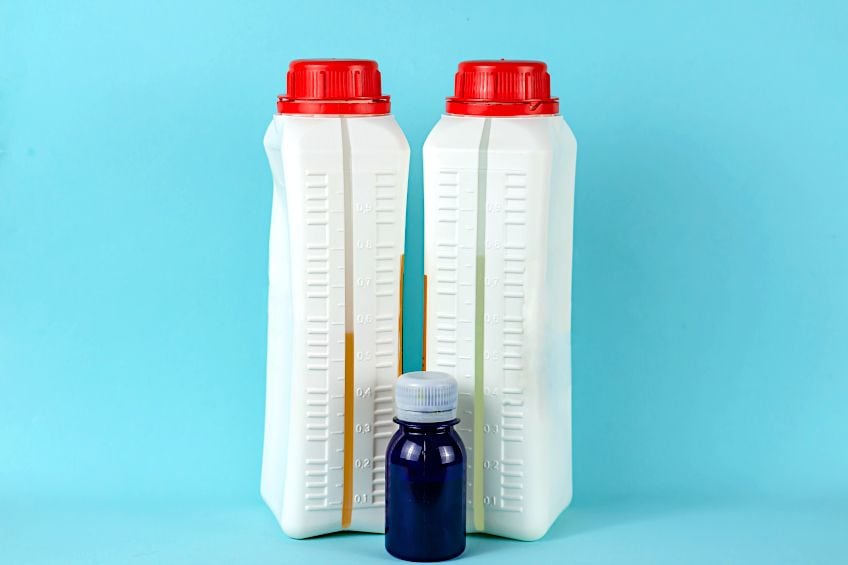
There are indeed different types of resin on the market, and each resin type has been designed to fill a particular application. These resins often vary in consistency, how deep they can be poured, how long they take to cure completely, and even in their tolerances to certain external forces. Here are a few resin types that you could encounter on your journey exploring this medium.
Polyester Resin
If you’re wondering how many things in your daily life are made of resin, stop thinking about it because there are way too many to count. Although, most of them are probably made from this type of resin. Polyester resin is extremely flexible and easy to mold, not to mention that its highly resistant to direct heat, open flames, and even chemical damage.
This resin is used to make fillers, construction materials, fishing poles, accessories, and even surface coatings.
Acrylic Resin
Acrylic resins are unique because they’re formed from acrylic acids which give them some cool characteristics. Like most other thermoplastics, this resin has good shape retention, but unlike most thermoplastics, this one is immune to the effects of UV exposure and has a pretty strong tensile strength too. As a result, acrylic resin is used to create adhesives, surface coatings, elastics, and even decoration.
Polyurethane Resin
Polyurethane (PU) resin is kind of unique when it comes to resin types. Why? Polyurethane resins are some of the most versatile of all the polytypes as they’re used to make both adhesives and solid forms depending on what is needed.
They really hit that sweet spot of being really stretchy and really hard at the same time, and therefore are used to create adhesives, insulating materials, and even foam in some instances.
Alkyd Resin
This type of resin is typically used to create insulation either on or around electrical components. Why? It has a high resistance to both heat and electrical contact, not to mention that it stands up to chemical corrosion really well. How is it made? Alkyd resin is made by mixing polybasic acids with polyhydric alcohols.
Polyamide Resin
If you’re looking for a rather hard-wearing resin type, then the polyamide resin variety might be right up your alley. This resin type has a little surface friction, is resistant to chemical burns, has great shape retention, and is pretty lightweight too.
This type of resin is used to create inner fibers, sutures, bearings, and even bottles.
Polycarbonate Resin
If you think you’ve seen the term polycarbonate before, it’s because you probably have. This resin type is coveted for its ability to reflect light and its tendency not to falter when exposed to direct current or dye agents. It’s so sturdy that it can be used in place of conventional materials like metal, and is primarily used to create things like helmets, insulators, and lenses.

Polyethylene Resin
Polyethylene resin is a run-of-the-mill variation that is used more than any other resin type we’ve covered so far. In fact, we use millions and millions of tons of the stuff every single year even in industries as innocuous as bookmaking! Polyethylene is pretty flexible, does a good job in resisting the effects of moisture, and has decent shape retention too.
We use this reis type in the insulating surfaces, making containers, creating piping, and even laminating things.
Phenolic Resin
If you’re looking for a resin that is versatile and easy to work with, then phenolic resin is just what you’re looking for. Used in the manufacturing industry to line brakes and insulate electrical components, this resin’s resistance to moisture and chemical damage has made it a go-to for those looking to create high-quality adhesives, molds, and protective shells.

Polypropylene Resin
Polypropylene is something of a special resin type in the thermoplastic community. What makes it so special? Well, it doesn’t contain any Bisphenol A (BPA) and is therefore colorless, relatively light, and has decent resistance to heat. This resin is typically used in medical environments because it can be sterilized without compromising the integrity of the plastic itself.
Because of this, they’re also used to make kids’ toys and other surfaces that might need to be disinfected regularly.
Epoxy Resin
This is the type of resin you usually find in hardware stores when you’re looking to repair something. This type of epoxy is used primarily to make adhesives and create surface coatings . It is extremely resistant to heat, impact, abrasion, and moisture, which makes it ideal for robust applications in both its surface coating and adhesive forms.
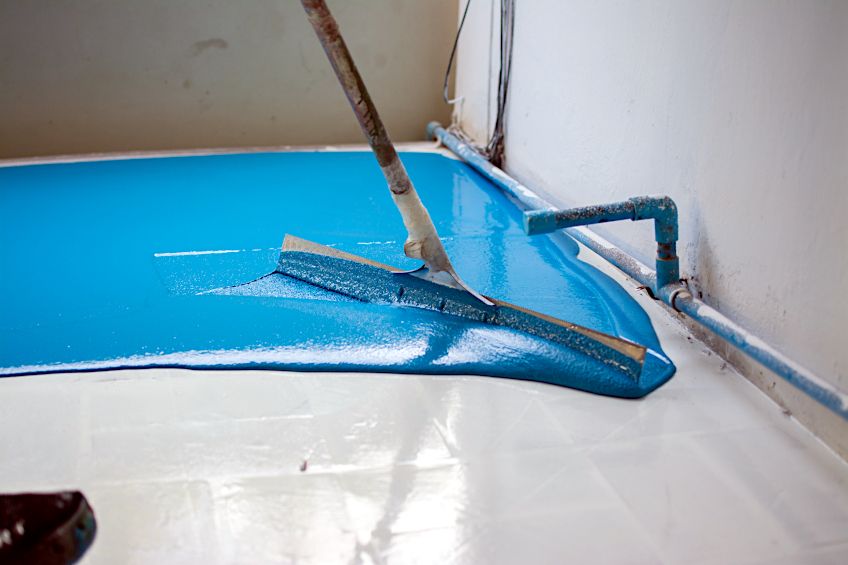
Polystyrene Resin
While not quite as common as polyethylene resins this resin is still pretty common in most industries around the world. They aren’t particularly special, but they’re really cheap to make and don’t require a lot of special processes to synthesize.
This resin type is flexible and like polyethylene, they are used to make piping, rubber, insulation, containers, and even interior trims for vehicles.
Silicone Resin
Silicone is also a relatively common poly and is used in a variety of applications in a number of industries. This resin is commonly found in large tubes, or when used as an adhesive, can be purchased in little dispensers. Silicone resin is highly resistant to moisture, and hot and cold temperatures and is therefore used to seal edges, create rubbers, and even plug holes!
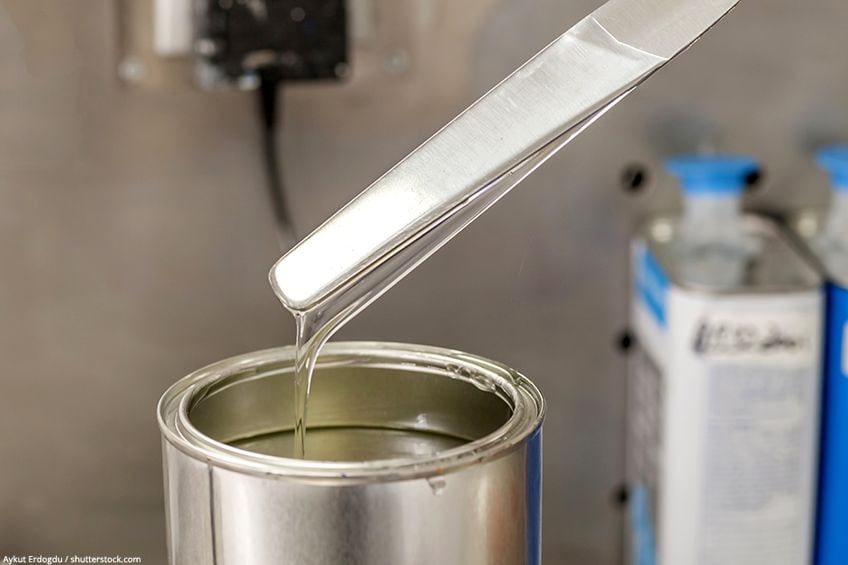
Now that you know what a resin is, how the resin is made, some of the pros and cons associated with the substance, what can be made from it, and the different types of resin you might encounter when using this medium, it’s time for you to get out there and put your new-found knowledge to the test. Remember to always work in a well-ventilated area when working with resin and to always wear the appropriate personal protective gear.
Frequently Asked Questions
Where Does Resin Come From?
Where does resin come from? Well, there are two types of resin each of which come from different places. Natural resin is typically produced by trees as a defense mechanism against injuries, whereas synthetic resin is made by combining various molecules in certain compositions to create materials with certain properties.
What Material Is Resin?
What material is resin? Although most people consider resin to be just another plastic, it’s much more than that., Resin is a composite thermoplastic bland that has the potential to mimic the appearance and properties of more conventional materials like metal.
Is Resin Stronger Than Wood?
This can be a challenging question to answer considering that there are many types of resin. Although resin can be engineered to be stronger and far more durable than wood if that’s what you set out to do, it would like some of the natural qualities wood has, just as wood would lack the inherent qualities of resin.
Charlene Lewis ( Content Creator and Creativity Writer )
In 2005, Charlene completed her Wellness Diplomas in Therapeutic Aromatherapy and Reflexology from the International School of Reflexology and Meridian Therapy. She worked for a company offering corporate wellness programs for a couple of years, before opening up her own therapy practice. It was in 2015 that a friend, who was a digital marketer, asked her to join her company as a content creator, and this is where she found her excitement for writing.
Since joining the content writing world, she has gained a lot of experience over the years writing on a diverse selection of topics, from beauty, health, wellness, travel, and more. Due to various circumstances, she had to close her therapy practice and is now a full-time freelance writer. Being a creative person, she could not pass up the opportunity to contribute to the Art in Context team, where is was in her element, writing about a variety of art and craft topics. Contributing articles for over three years now, her knowledge in this area has grown, and she has gotten to explore her creativity and improve her research and writing skills.
Charlene Lewis has been working for artincontext.org since the relaunch in 2020. She is an experienced writer and mainly focuses on the topics of color theory, painting and drawing.
Learn more about Charlene Lewis and the Art in Context Team.